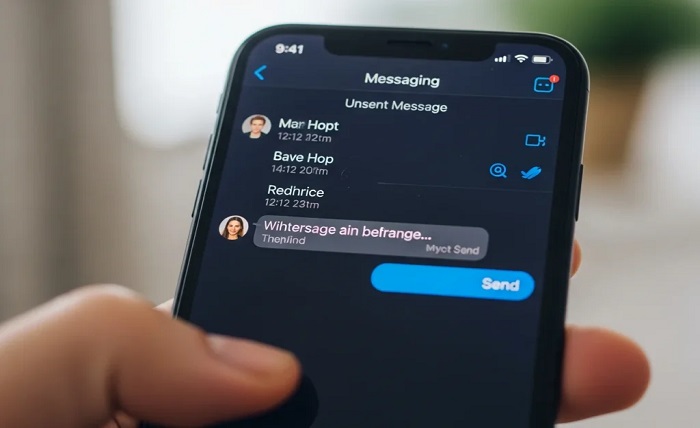
Unsent messages are the words, thoughts, and emotions we type out but never actually send, often saved in drafts, notes, or simply deleted. These unsent messages carry a surprising emotional weight because they reflect what we truly feel but choose not to express directly. Many people create unsent messages during moments of anger, sadness, confusion, or deep reflection, using them as a safe space to process emotions. The act of writing unsent messages allows individuals to organize thoughts without the fear of consequences or judgment. In many cases, unsent messages become a private emotional outlet that helps people cope with situations they cannot openly address.
Unsent messages often matter more than we realize because they reveal the inner conflict between expression and restraint. When someone writes unsent messages, they are usually navigating complex emotions that feel too risky or vulnerable to share. These unsent messages can include apologies, confessions, explanations, or even final goodbyes. Although they are never delivered, unsent messages often hold the most honest version of what a person feels. This makes them an important psychological tool for emotional processing and self-awareness.
The presence of unsent messages in modern digital communication has grown significantly with smartphones and social media. People now have constant access to communication tools, making it easier to write and rewrite unsent messages multiple times. These unsent messages often remain stored in apps or notes for long periods, reflecting unresolved emotions or unfinished conversations. In this way, unsent messages become a digital representation of emotional hesitation and self-control.
Ultimately, unsent messages matter because they represent the thoughts we struggle to express in real life. Whether they are never meant to be sent or simply delayed, unsent messages help us explore emotions in a private, controlled environment. They serve as emotional snapshots of our inner world, revealing truths we may not be ready to share with others.
Psychological Reasons Behind Unsent Messages
One of the key psychological reasons behind unsent messages is emotional regulation. When people experience intense feelings, they often create unsent messages as a way to release emotional pressure without creating real-world consequences. These unsent messages act like a mental buffer, allowing individuals to express themselves freely without fear of rejection or conflict. Psychologists suggest that unsent messages can help reduce stress by externalizing thoughts that would otherwise remain bottled up.
Another reason people rely on unsent messages is fear of vulnerability. Many unsent messages contain deeply personal emotions that individuals are not ready to share. Writing unsent messages allows them to confront these feelings privately while avoiding potential embarrassment or misunderstanding. In this way, unsent messages become a safe emotional rehearsal space where people can explore what they might say if they felt more secure.
Unsent messages also reflect cognitive processing, where the brain attempts to make sense of emotional experiences. When writing unsent messages, individuals often organize scattered thoughts into structured sentences, which helps clarify their feelings. These unsent messages become a form of self-therapy, enabling people to understand their emotional responses more clearly. This process is especially common after conflicts, breakups, or emotionally charged interactions.
Additionally, unsent messages can be influenced by attachment styles and past experiences. People who struggle with communication or fear abandonment may create more unsent messages as they overthink their interactions. These unsent messages often reveal patterns of hesitation and emotional dependency. By analyzing unsent messages, individuals can gain insight into their psychological tendencies and emotional triggers.
Unsent Messages in Relationships and Breakups
In relationships, unsent messages often become a silent witness to unspoken feelings. Couples frequently draft unsent messages during arguments, misunderstandings, or emotional distance. These unsent messages may include apologies, explanations, or expressions of love that are never sent due to pride, fear, or timing. As a result, unsent messages accumulate emotional weight that reflects the complexity of human relationships.
During breakups, unsent messages become even more common and emotionally intense. People often write long unsent messages to their former partners, expressing grief, anger, or unresolved questions. These unsent messages serve as a form of emotional closure that is never fully shared. In many cases, individuals revisit these unsent messages repeatedly as they process the end of a relationship.
Unsent messages in romantic contexts also highlight the gap between desire and action. Many people feel strongly about what they want to say but choose to keep it as unsent messages to avoid further emotional damage. This internal conflict makes unsent messages a powerful reflection of love, loss, and hesitation. They often capture the most vulnerable version of a person’s emotions.
Even in healthy relationships, unsent messages can play a role in maintaining emotional balance. Some individuals use unsent messages to cool down before responding or to reflect before reacting. These unsent messages help prevent impulsive communication that could harm the relationship. Over time, they become a tool for emotional maturity and thoughtful expression.
Social Media and Unsent Messages Culture
With the rise of digital communication, unsent messages have become a common part of social media culture. People often draft unsent messages in messaging apps, comment sections, or even captions before deciding not to post or send them. These unsent messages reflect the pressure to communicate instantly while also maintaining emotional control. Social media platforms have made unsent messages a modern form of emotional expression.
Unsent messages also appear in the form of “notes apps confessions,” where users write detailed unsent messages about their feelings without sharing them publicly. These unsent messages often include personal reflections, emotional outbursts, or unspoken truths. In this digital age, unsent messages act as a private diary hidden inside smartphones, constantly updated but rarely shared.
Another aspect of unsent messages culture is the fear of online judgment. Many people write unsent messages because they are concerned about how others might perceive them. These unsent messages are carefully edited and revised before being abandoned entirely. This behavior highlights the growing importance of digital reputation and emotional self-censorship.
Despite being private, unsent messages often shape how people interact online. They influence what is eventually posted or sent, acting as a filtering system for emotions. In this sense, unsent messages play a hidden but significant role in shaping online communication patterns and digital identity.
The Emotional Benefits of Writing Unsent Messages
Writing unsent messages can provide significant emotional relief for many individuals. These unsent messages allow people to release feelings that might otherwise remain suppressed. By putting emotions into words, unsent messages help reduce internal stress and create a sense of clarity. Even though they are never sent, unsent messages still fulfill an emotional need for expression.
Unsent messages also help with self-reflection. When people write unsent messages, they often gain a better understanding of their emotional state. These unsent messages act as mirrors, reflecting thoughts and feelings that may not be obvious at first. This process can lead to personal growth and improved emotional awareness over time.
Another benefit of unsent messages is closure. In situations where direct communication is not possible, unsent messages provide a symbolic way to say what was left unsaid. These unsent messages help individuals mentally close chapters in their lives, even without external resolution. This can be especially helpful in healing from emotional pain or unresolved relationships.
Additionally, unsent messages can improve communication skills indirectly. By practicing what they want to say through unsent messages, individuals become more thoughtful and articulate in real conversations. These unsent messages serve as rehearsal spaces for emotional expression, making future communication more intentional and effective.
Risks and When Unsent Messages Become Unhealthy
While unsent messages can be helpful, they can also become emotionally unhealthy when overused. Constantly relying on unsent messages instead of real communication may lead to emotional stagnation. These unsent messages can trap individuals in cycles of overthinking without resolution. When unsent messages replace direct expression entirely, they may prevent healthy emotional closure.
Unsent messages can also reinforce negative thought patterns. People who repeatedly write unsent messages filled with anger or sadness may intensify those emotions instead of releasing them. These unsent messages can become emotional loops that keep individuals stuck in the past. Over time, this can affect mental well-being and emotional stability.
Another risk of unsent messages is unrealistic expectations. Some individuals may repeatedly revise unsent messages hoping for the perfect wording or outcome. These unsent messages can create illusions of control over situations that are no longer changeable. This can delay acceptance and healing.
It is important to recognize when unsent messages shift from helpful reflection to emotional avoidance. While unsent messages are valuable tools, they should not replace real conversations when communication is possible. Balancing unsent messages with actual expression is key to maintaining emotional health.
How to Process and Let Go of Unsent Messages
Processing unsent messages begins with acknowledging their emotional significance. Instead of ignoring unsent messages, individuals can review them to understand what feelings they represent. These unsent messages often reveal patterns of thought that can be useful for personal growth. By recognizing their meaning, people can begin to release their emotional hold.
One effective way to let go of unsent messages is to rewrite them as closure exercises. Instead of keeping unsent messages stored indefinitely, individuals can reframe them as final expressions and then discard them. This transforms unsent messages into symbolic acts of release rather than ongoing emotional burdens.
Another method involves expressing unsent messages in alternative ways, such as journaling or talking to someone trusted. These unsent messages can be transformed into spoken conversations or written reflections that promote healing. Sharing the emotions behind unsent messages helps reduce their intensity and encourages emotional resolution.
Ultimately, letting go of unsent messages requires acceptance that not everything needs to be communicated directly. Some unsent messages are meant only for personal understanding, not delivery. By accepting this, individuals can find peace with their unsent messages and move forward with greater emotional clarity.
Conclusion
Unsent messages represent the hidden layer of human communication where thoughts and emotions exist without being spoken. These unsent messages help us process feelings, reflect on relationships, and navigate emotional complexity in a safe and private way. While they can be therapeutic, unsent messages must be balanced with real communication to avoid emotional stagnation. Understanding and managing unsent messages allows individuals to gain clarity, closure, and emotional growth in both personal and social contexts.
FAQs
1. What are unsent messages?
Unsent messages are written thoughts or emotions that are never sent, often used for emotional expression or reflection.
2. Why do people write unsent messages?
People write unsent messages to process emotions, avoid conflict, or organize thoughts before communicating.
3. Are unsent messages healthy?
Unsent messages can be healthy when used for reflection, but excessive reliance on them may hinder real communication.
4. Can unsent messages help with breakups?
Yes, unsent messages often help individuals express emotions and find symbolic closure after breakups.
5. Should I delete my unsent messages?
It depends; reviewing unsent messages can help with understanding emotions, but letting them go can support healing.