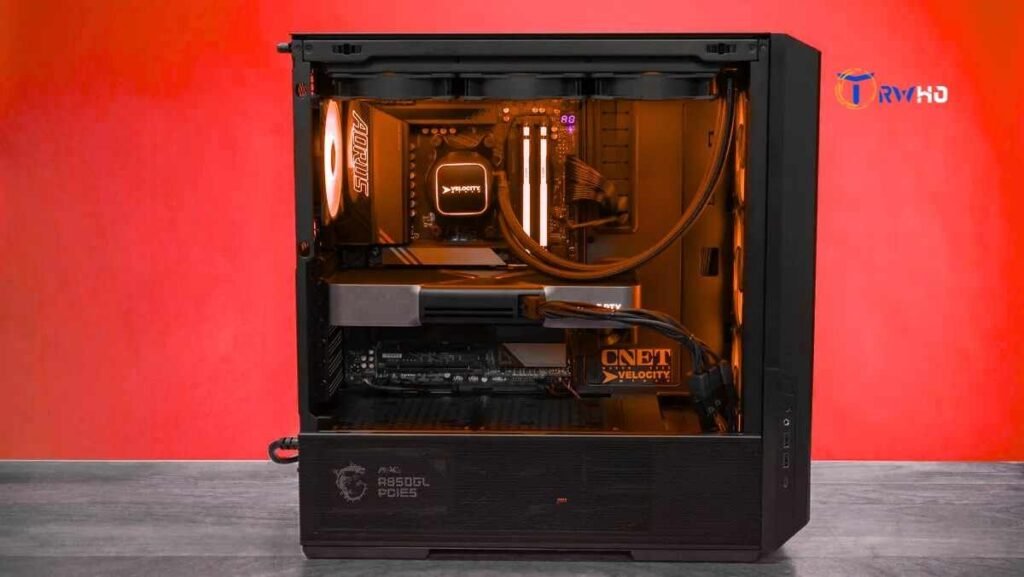

Technology keeps changing, and hardware plays a major role in how websites and platforms perform. If you are searching for clear information about trwho.com hardware, this guide will help you understand what it is, how it works, and why it matters. Many users focus only on software, but hardware is the foundation that supports everything online.
In this article, you will learn about the hardware structure behind trwho.com, the possible server setup, performance factors, security layers, storage systems, and how hardware affects speed and reliability. The language is simple, and each section explains things step by step so anyone can understand without technical confusion.
What Is Trwho.com Hardware?
Trwho.com hardware refers to the physical infrastructure that supports the website’s operations. This includes servers, storage devices, networking systems, processors, memory units, and security equipment. Hardware is not visible to users, but it directly affects how fast and stable the platform works.
When you open a website, your request goes to a server. That server processes the request and sends data back to your browser. If the hardware is strong and optimized, the website loads quickly. If the hardware is weak or overloaded, users may face slow loading times or errors.
Why Hardware Matters for Websites
Hardware is the backbone of any online platform. Without reliable servers and storage systems, a website cannot function properly. Even the best-designed website will fail if the hardware cannot handle traffic.
For growing platforms, hardware must support increasing users, data, and features. A stable hardware setup ensures uptime, smooth browsing, and safe data handling. For websites like trwho.com, hardware performance directly affects user experience, search rankings, and trust.
Must Visit: trwho.org
Core Components of Trwho.com Hardware
1. Servers
Servers are powerful computers that store website files and process user requests. They run 24/7 and must handle traffic from different regions. TRWho.com likely uses high-performance servers to maintain stability and fast response times.
Servers may be dedicated, virtual private servers (VPS), or cloud-based systems. Each type has its own benefits. Cloud servers are common because they allow flexible scaling and better load distribution during traffic spikes.
2. Processors (CPU)
The CPU is the brain of a server. It handles calculations, processes requests, and manages system tasks. A powerful CPU allows faster data processing and better multitasking.
If trwho.com receives heavy traffic, a multi-core processor is required. More cores mean better performance when many users visit the website at the same time. CPU power directly affects loading speed and backend operations.
3. Memory (RAM)
RAM stores temporary data while the server is running. More RAM allows faster processing of user requests. If RAM is limited, the server may slow down or crash during high traffic.
For platforms handling large content or database queries, higher RAM is important. It helps maintain smooth performance without delays. Proper memory management ensures stable operation even during peak hours.
4. Storage Systems
Storage devices keep website files, images, databases, and backups. Modern websites use SSD (Solid State Drive) instead of traditional HDD because SSD is much faster and more reliable.
SSD storage improves loading speed and reduces data retrieval time. For trwho.com hardware, fast storage ensures users can access content quickly without waiting for heavy files to load.
5. Networking Equipment
Networking hardware connects servers to the internet. This includes routers, switches, and firewalls. Strong networking equipment ensures fast data transfer and minimal downtime.
Bandwidth capacity is also important. If traffic increases and bandwidth is limited, users may face slow loading or connection issues. Good networking design supports smooth global access.
Dedicated vs Cloud Hardware
Dedicated Hardware
Dedicated hardware means the server is used by only one website. This gives full control and stable performance. However, it can be costly and harder to scale quickly.
Large websites often choose dedicated systems when they need full customization and strong security control. It offers better resource isolation compared to shared hosting.
Cloud Hardware
Cloud hardware uses distributed servers across multiple locations. It allows flexible scaling based on traffic demand. If more users visit the website, resources can increase automatically.
Cloud systems also reduce downtime because if one server fails, another server can handle the traffic. Many modern platforms prefer cloud solutions due to reliability and cost efficiency.
How Trwho.com Hardware Affects Website Speed
Website speed depends heavily on hardware quality. A strong CPU processes data faster. More RAM reduces lag. SSD storage improves file access speed. All these elements work together.
Search engines prefer fast websites. If hardware is weak, loading speed drops, which can hurt SEO performance. Good hardware investment improves ranking potential and user satisfaction.
Security Hardware in TRWho.com Infrastructure
Security is not only about software. Hardware firewalls and secure network devices protect servers from attacks. These systems block harmful traffic before it reaches the server.
Data encryption hardware may also be used to protect user information. Strong hardware security reduces risk of breaches and ensures safe browsing. A secure infrastructure builds trust among visitors.
Data Backup and Redundancy
Reliable hardware includes backup systems. Backups protect data if something goes wrong. Many platforms use automatic backup storage in different locations.
Redundancy means having duplicate systems ready. If one server fails, another one takes over. This prevents downtime and protects data from loss. Redundant hardware increases reliability.
Scalability and Future Growth
As traffic grows, hardware must support expansion. Scalability means the ability to add more resources without affecting performance.
Cloud-based hardware makes scaling easier. It allows adding more CPU, RAM, or storage instantly. A scalable infrastructure ensures long-term growth without technical limitations.
Hardware Monitoring and Maintenance
Hardware needs constant monitoring. Monitoring tools track CPU usage, memory load, temperature, and traffic levels. If issues appear, technicians can fix them quickly.
Regular maintenance keeps systems stable. It includes updating firmware, checking storage health, and testing backup systems. Proper maintenance prevents sudden failures.
Hardware and SEO Performance
Search engines consider page speed and uptime when ranking websites. Strong hardware improves both factors.
If a website loads fast and stays online consistently, it builds better search performance. Poor hardware leads to slow response time, which can harm rankings and reduce traffic.
Energy Efficiency and Modern Hardware
Modern data centers focus on energy-efficient hardware. Efficient systems reduce power usage and heat generation.
Energy-efficient servers also lower operational costs. Many cloud providers invest in green data centers. Efficient hardware improves performance while reducing environmental impact.
Common Hardware Challenges
Even strong systems face challenges. Traffic spikes can overload servers. Hardware aging can reduce efficiency. Power outages may affect data centers.
Proper planning reduces these risks. Using load balancing, backup power supplies, and scalable systems ensures stable performance even during high demand.
Choosing the Right Hardware Strategy
For website owners, selecting hardware depends on traffic size, content type, and growth plans. Small platforms may start with cloud VPS. Larger platforms may require dedicated systems.
Cost, performance, and security must be balanced. Investing in reliable hardware ensures better long-term results.
Future Trends in Trwho.com Hardware
Technology continues to improve. New processors are faster and more energy-efficient. Storage systems are becoming quicker and more durable.
Artificial intelligence is also used in server management. Automated systems can adjust resources based on demand. Future Trwho.com hardware systems will be smarter and more efficient.
FAQs about Trwho.com Hardware
1. Is trwho.com hardware managed in-house or by a third-party provider?
Many users wonder whether trwho.com runs its own physical data center or relies on a third-party hosting provider. In most modern setups, websites use managed hosting or cloud infrastructure from trusted providers. This allows better uptime, technical support, and hardware maintenance without handling physical servers directly.
2. Where are trwho.com hardware servers located?
Server location affects website speed and performance. If servers are located closer to users, loading time improves. Some platforms use multiple global data centers to deliver faster access worldwide. The exact server location depends on the hosting provider and infrastructure design.
3. Does trwho.com hardware support high-traffic events?
Users often ask whether the hardware can handle sudden traffic spikes. A strong infrastructure usually includes load balancing and scalable resources. These systems distribute traffic across multiple servers to prevent overload and maintain stable performance during busy periods.
4. How often is trwho.com hardware upgraded?
Hardware upgrades are important for security and speed improvements. Websites typically upgrade servers, storage, or processors when performance demands increase. Regular hardware updates help maintain compatibility with modern technologies and improve overall reliability.
5. Can hardware issues cause trwho.com downtime?
Yes, trwho.com hardware failures can sometimes lead to downtime. Problems like server crashes, storage failure, or network interruptions may affect website access. However, platforms with backup systems and redundancy setups can quickly recover and reduce downtime risk.
Conclusion
Trwho.com hardware plays a key role in overall performance, security, and reliability. While users may not see the physical infrastructure, it directly impacts their experience.
Strong servers, powerful CPUs, high RAM, SSD storage, secure networking, and scalable systems create a stable foundation. A well-managed hardware system ensures fast loading, safe browsing, and consistent uptime.
Understanding hardware helps website owners make better decisions. Investing in the right infrastructure supports growth and improves user satisfaction. Hardware is not just a technical detail; it is the core engine behind every successful online platform.